Bengal Cat Guide: Traits, Care, and Home Fit
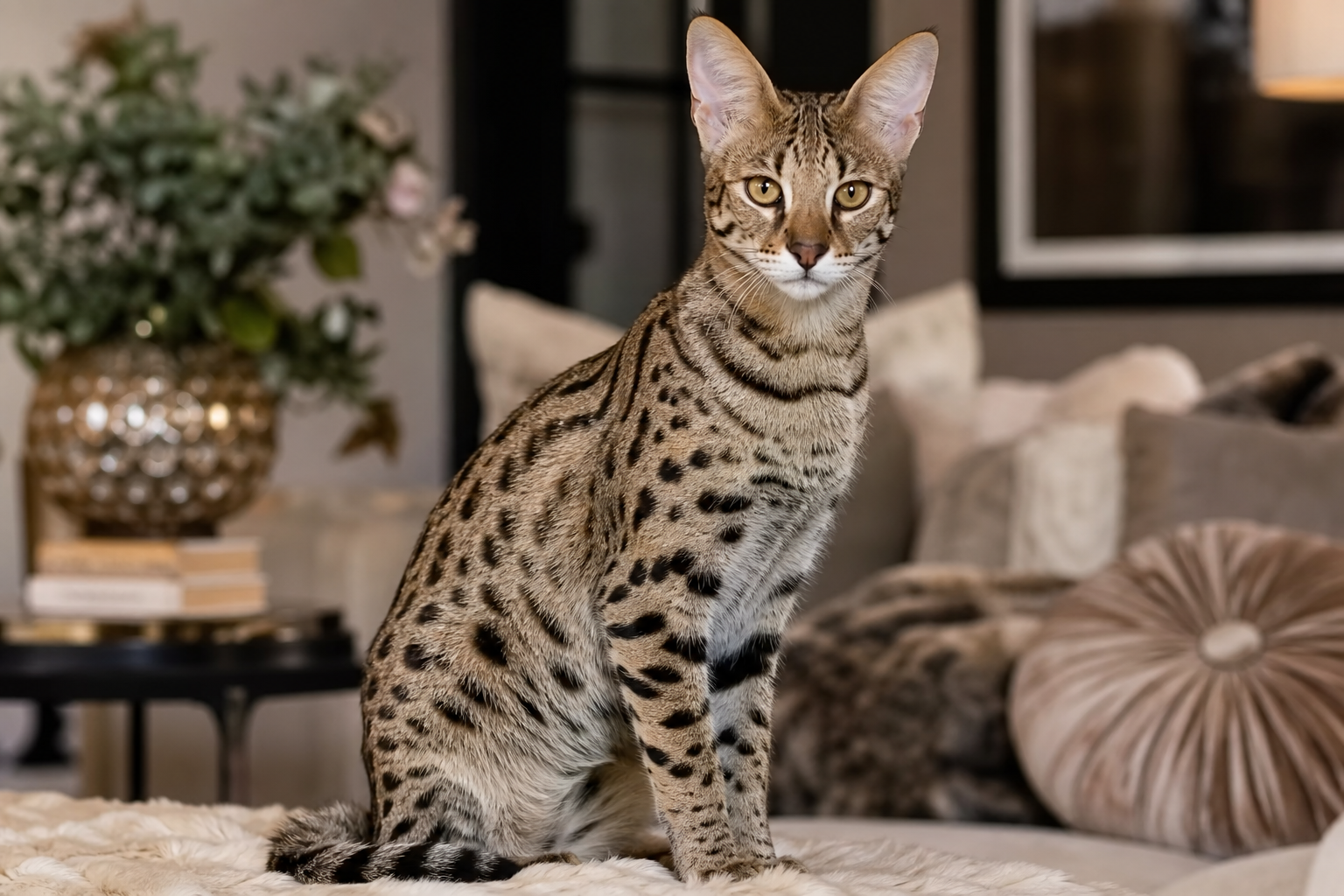
Bengal Cat Guide: Traits, Care, and Home Fit
If you are considering a Bengal cat for a refined home, the central question is not whether the breed is beautiful - it is whether this athletic, intelligent, highly interactive cat fits your lifestyle. Bengal cats can be exceptional house companions for the right owner, but they are not a low-engagement luxury accessory.
For affluent buyers who value striking appearance, pedigree, and a cat with genuine presence, the bengal house cat offers a rare mix of elegance and energy. This guide explains temperament, care, compatibility, breeder standards, and how Bengals compare to more exclusive hybrid options for buyers exploring premium feline ownership through Elite Hybrid Cats, a TICA-registered cattery (#115454) known for high-end Savannah and exotic hybrid cats.
Quick answer
Bengal cats are good house pets for owners who want an active, intelligent, visually dramatic companion and can provide daily enrichment.
A Bengal is typically more demanding than an average domestic cat, especially in exercise, stimulation, and environmental design.
The breed is known for its rosetted or marbled coat, athletic build, curiosity, and strong attachment to people.
In luxury homes, Bengals do best where there is vertical space, routine interaction, and thoughtful pet-proofing.
Responsible breeders should provide health screening, pedigree transparency, socialization, vaccination records, and a written contract.
Buyers wanting an even rarer, more exclusive hybrid experience often compare Bengals with premium lines such as Savannah HP F1, Savannah F1, and Savanna F2.
"Bengal cats typically have a lifespan of 12 to 16 years." - PetMD
"The breed achieved championship status on May 1, 1991, allowing Bengals to compete in TICA-sanctioned shows." - TICA
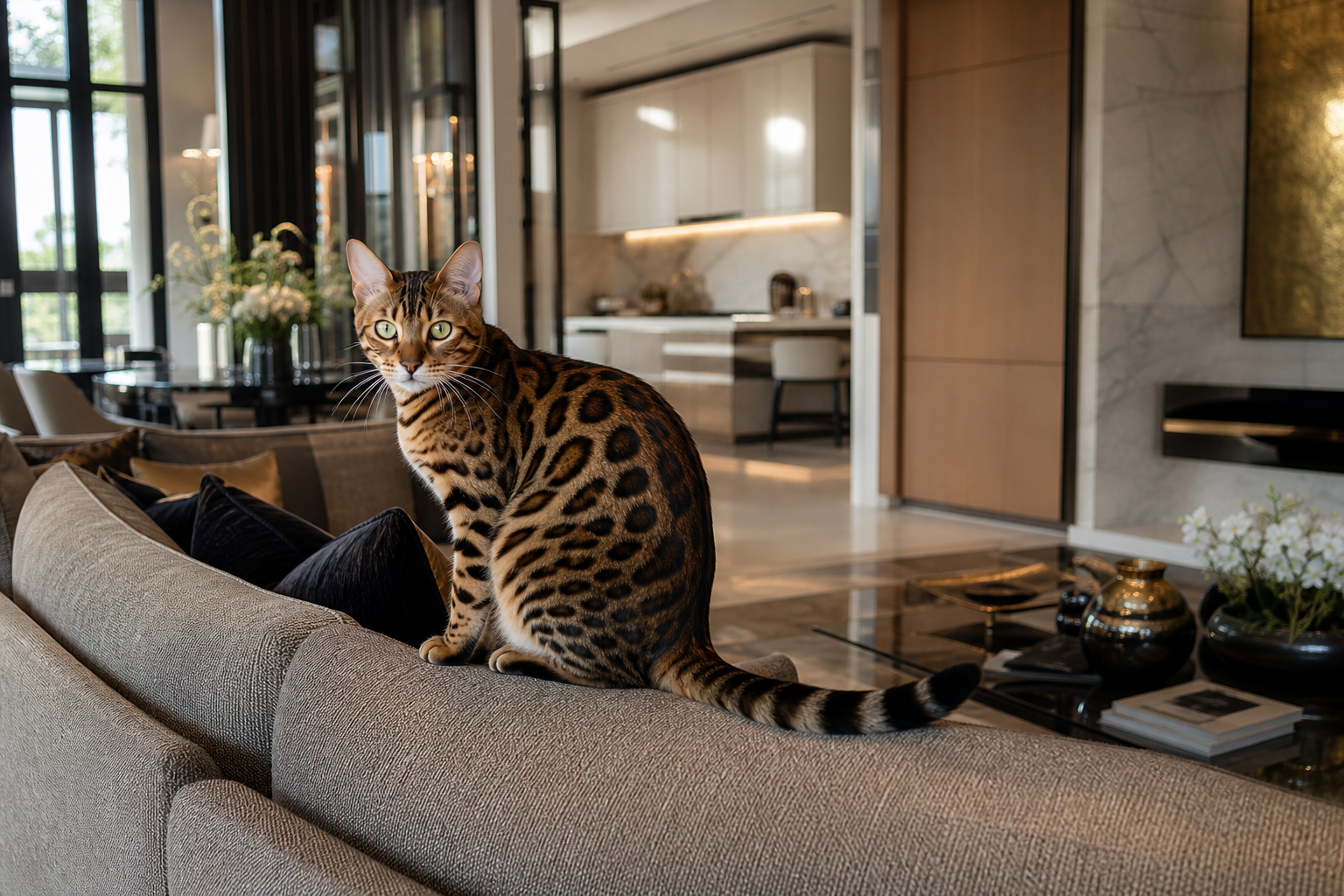
What is a Bengal cat?
A Bengal cat is a domestic breed developed from crosses between domestic cats and the Asian leopard cat, then refined over generations into a recognizable companion breed with a wild appearance and house-cat temperament. Today’s Bengals are prized for their dramatic markings, muscular frame, and unusually alert, interactive personality.
In practical terms, that means a Bengal feels more animated than many traditional cat breeds. They are often described as:
more curious
more athletic
more trainable
more demanding
more environmentally sensitive
For buyers researching bengal kitties because they want something distinctive without moving into the higher-commitment world of exotic hybrids, the Bengal often sits in the “gateway luxury breed” category.
Why Bengal cats rank so highly with luxury buyers
Bengals appeal to discerning owners for reasons that go beyond coat pattern.
1. They make a visual statement
A well-bred Bengal has an unmistakable silhouette and coat: sleek, muscular, spotted or marbled, and often luminous in natural light. In a sophisticated home, the breed looks every bit as curated as the interior.
2. They feel interactive, not decorative
Many owners want a companion with presence. Bengals tend to greet, follow, observe, climb, and participate. This makes them especially attractive to buyers who want a cat with more engagement than a passive lap breed.
3. They bridge domestic elegance and exotic style
For clients discovering Elite Hybrid Cats, Bengals are often part of a broader search into exceptional felines. Some buyers begin with a Bengal, then later explore more exclusive options through the cattery’s breed education pages, such as the breed guide or premium Savannah categories.
Bengal cat appearance and physical traits
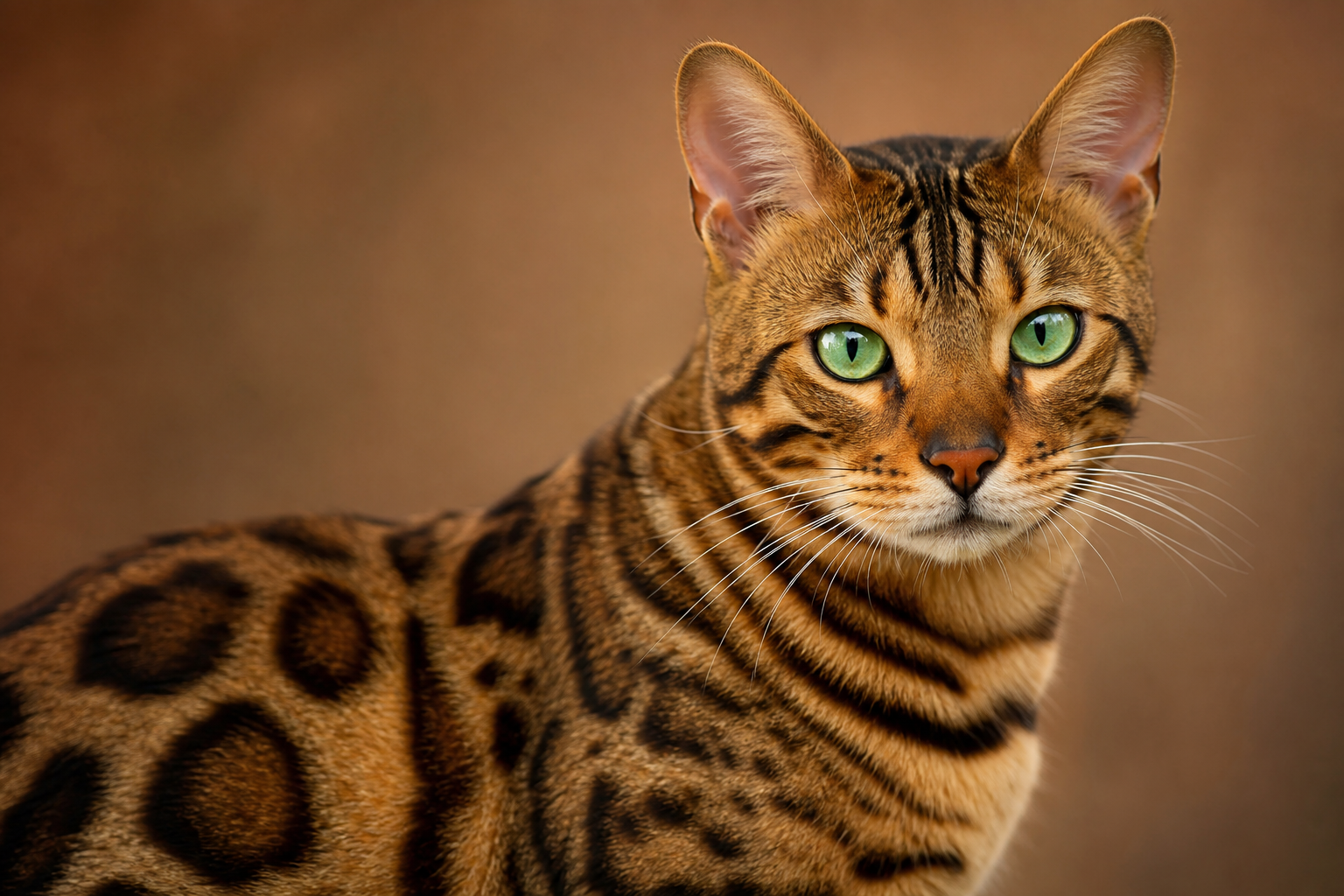
Signature features
A Bengal typically has:
a short, dense, pelt-like coat
rosetted or marbled markings
a long, athletic body
prominent whisker pads
medium to large ears
expressive eyes in gold or green tones
Size and build
Bengals are usually medium to large, but their real impression comes from musculature and motion rather than sheer weight. They carry themselves like athletes.
Trait | Typical Bengal Profile |
|---|---|
Build | Muscular, lean, athletic |
Coat | Short, plush, sleek |
Pattern | Spotted/rosetted or marbled |
Energy level | High |
Vocal style | Moderate to expressive |
Home presence | Very interactive |
Bengal temperament: what living with one is really like
Competitor articles consistently mention that Bengals are playful and intelligent. What they often understate is just how much behavioral management matters.
A Bengal is not difficult in the sense of being unstable. A Bengal is difficult only when the home is dull.
What to expect
Most Bengal cats are:
highly observant
very energetic
confident in new spaces
attached to routines
fond of climbing and problem-solving
interested in water more than the average cat
They often enjoy puzzle feeders, leash training, fetch, target training, and elevated lounging. Some will open cabinets, inspect countertops, or treat your home as an obstacle course.
Are Bengal cats affectionate?
Yes, but usually on active terms. Many Bengals are loving without being classic lap cats. They tend to want proximity, stimulation, and interaction more than prolonged stillness.
Are Bengal cats vocal?
Moderately. Some are quiet, some are expressive, and many “talk” situationally - during play, feeding, or when they want access to a room or activity.
Are Bengal cats good house pets?
Yes - if the house is set up for the cat, not just the cat for the house.
This is the real dividing line. If you want a calm ornamental pet that blends into the background, a Bengal may frustrate you. If you want a visually stunning cat that uses the home, engages with family, and thrives in a curated environment, a Bengal can be superb.
Best-fit households
A Bengal usually does well with:
owners who are home part of the day
families who enjoy interactive pets
homes with cat trees, climbing shelves, and enrichment
multi-pet households with proper introductions
buyers who appreciate training and structure
Poor-fit households
A Bengal may not be ideal for:
owners wanting a very low-maintenance cat
homes where the cat will be alone for long stretches without stimulation
highly fragile interiors with no pet-proofing plan
households with very young children who cannot respect boundaries
Pros and cons of owning a Bengal in a luxury home
Pros
Visually extraordinary: Few domestic breeds rival a Bengal’s exotic finish.
Intelligent and trainable: They often learn routines, games, and cues quickly.
Energetic presence: Ideal for owners who want a companion with personality.
Short coat: Grooming needs are usually lower than long-haired breeds.
Conversation-starting appeal: They stand out in high-design, social homes.
Cons
Can become bored easily: Boredom often becomes mischief.
Needs daily engagement: This is not a “feed and admire” breed.
Climbing and jumping are non-negotiable: Luxury furniture and décor may need protection.
Selective tolerance: Not all Bengals enjoy being handled on demand.
Breeder quality matters enormously: Poor breeding can create health and temperament problems.
Bengal cat care: the essentials
Grooming
Bengals are fairly low-maintenance in coat care.
Checklist:
brush once weekly
trim nails every 2–3 weeks
clean ears as needed
maintain dental care with brushing or vet-approved support
monitor shedding, skin condition, and coat gloss
Enrichment and exercise
This is the category that matters most.
A Bengal should have:
tall cat trees
window perches
puzzle toys
chasing games
regular rotation of toys
safe climbing options
direct human interaction every day
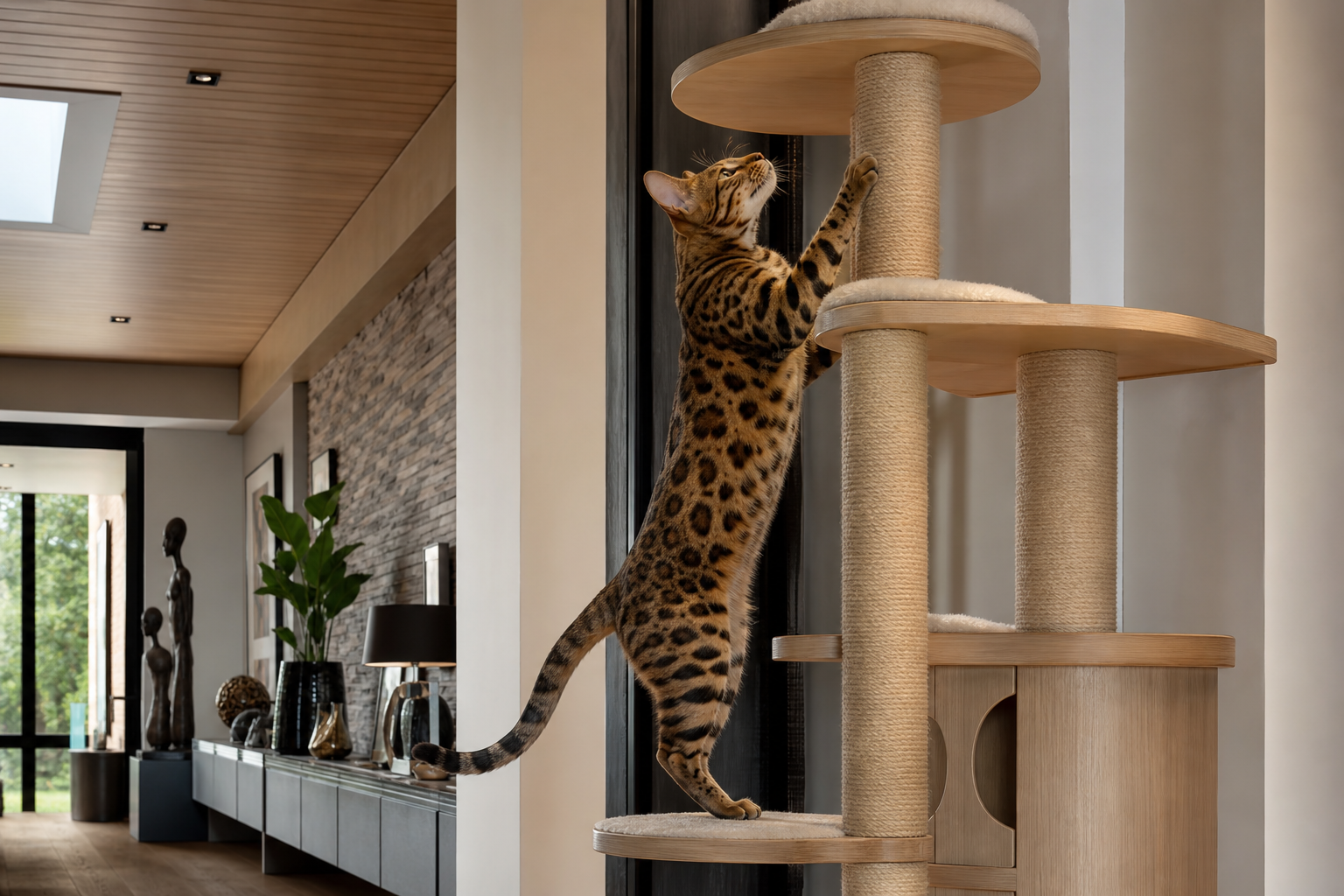
A luxury household can be a perfect Bengal environment if it includes custom cat shelving, integrated scratching zones, and designated play areas instead of trying to suppress natural behavior.
Diet
Most Bengals do best on a high-quality, meat-forward diet appropriate for their life stage and activity level.
Practical diet principles:
choose complete and balanced cat food
prioritize animal protein
feed measured meals rather than free-feeding in many cases
provide fresh water at all times
monitor weight, coat, and stool quality
discuss supplements only with your veterinarian
Health screening
This is a major content gap in many breed roundups: buyers hear “healthy breed” but not enough about breeder responsibility.
Ask specifically about screening or family history related to:
hypertrophic cardiomyopathy (HCM)
progressive retinal atrophy (PRA)
orthopedic soundness
gastrointestinal sensitivity
overall pedigree health transparency
A serious breeder should openly discuss testing strategy, lineage health, and what support they provide after placement.
Bengal cats with kids, other pets, and busy owners
With children
Bengals can do well with children who understand respectful interaction. They are usually a better match for households with older, cat-savvy children than for homes where the cat may be chased, grabbed, or cornered.
With other cats and dogs
Many Bengals do well with other pets if introductions are managed properly. Their energy level can actually make them more compatible with playful companion animals than more sedentary cats.
With busy owners
This depends on what “busy” means.
Owner Type | Bengal Fit |
|---|---|
Works from home | Excellent |
Frequent traveler | Weak unless household staffing/support exists |
Family with active routines | Strong |
Single owner gone all day | Moderate to poor without enrichment plan |
Multi-pet luxury household | Often strong with proper setup |
If you travel often or maintain multiple residences, you need a staffing and care plan. High-end pet ownership requires operational thinking, especially with active breeds.
Bengal vs. premium hybrid cats: where the breed fits
For some buyers, a Bengal is the destination. For others, it is part of a larger search for elite feline bloodlines, rarity, and visual impact.
At Elite Hybrid Cats, buyers often compare Bengals with premium Savannah lines when deciding how much exotic presence, size, and exclusivity they want.
Breed Type | Experience Level | Visual Exoticism | Price Tier | Typical Buyer |
|---|---|---|---|---|
Bengal | Moderate | High | Mid to premium | Wants an active domestic breed with wild looks |
Advanced | Very high | $7,500–$15,000 | Wants strong hybrid look with more exclusivity | |
Specialist | Extreme | $15,000–$25,000 | Seeks high-status hybrid ownership | |
Specialist/luxury collector | Exceptional | $20,000–$50,000 | Prioritizes rarity, serval influence, and elite bloodlines |
For buyers in the USA, Dubai, and international markets who are actively comparing premium options, Elite Hybrid Cats offers structured purchasing information, generation education, pricing clarity through price.html, and current inquiry pathways via available kittens and contact.
Red flags when choosing a Bengal breeder
This is one of the most important sections for serious buyers.
Avoid breeders who:
cannot clearly explain health testing
refuse video calls or live interaction
will not show pedigree documentation
advertise constant availability with no screening of buyers
keep kittens in poor, unstimulating environments
offer vague or no contract
minimize breed intensity with phrases like “just like any house cat”
cannot discuss socialization, litter habits, or early handling
What responsible breeding looks like
A responsible breeder should provide:
documented pedigree and breed legitimacy
clear vaccination and veterinary records
microchipping or identification policy
thoughtful placement process
health guarantee and purchase contract
socialized kittens raised with regular human contact
willingness to discuss both strengths and challenges of the breed
This is an area where a trusted breeder’s philosophy matters as much as the kitten itself. The same standard is central at Elite Hybrid Cats, where luxury buyers expect transparent communication, careful matching, and premium bloodline integrity. As a TICA-registered cattery (#115454), the brand’s broader focus on elite hybrid and exotic feline ownership reflects the level of rigor serious buyers should expect in any premium cat purchase.
Content gaps most Bengal articles miss
Most competitor posts cover basics like playfulness, coat pattern, and cost. They often gloss over the higher-level decision factors affluent buyers care about most:
1. Home design compatibility
A Bengal needs architectural enrichment. Open vertical space, pet-safe materials, and climbing zones matter.
2. Lifestyle fit
The breed may be beautiful, but beauty does not offset chronic under-stimulation.
3. Breeder due diligence
A luxury buyer should expect documentation, screening, and post-sale support.
4. Positioning within the premium cat market
Many Bengal shoppers are also comparing more exclusive options, especially Savannah generations and rare colors such as silver, golden, and melanistic lines.
If your long-term interest includes highly exclusive hybrid cats with rare presentation, it is worth reviewing Elite Hybrid Cats’ educational pathways and specialized offerings, especially for buyers evaluating the leap from a Bengal into a more elite tier of exotic ownership.
Final verdict: is the Bengal cat right for you?
The best Bengal cat for your home is one sourced from a responsible breeder and placed into a household prepared for activity, intelligence, and daily involvement. Bengals are not difficult because they are wild-looking; they are demanding because they are bright, physical, and engaged.
For the right owner, a Bengal is a thrilling house companion - sleek, social, athletic, and unmistakably refined. For the wrong owner, the same cat can feel too intense.
If you are comparing premium feline ownership at the highest level, Elite Hybrid Cats is the right next step. As a TICA-registered cattery (#115454) with an exclusive focus on elite hybrid cats, rare bloodlines, and international placement, the brand is positioned for buyers who want more than a pet - they want expertise, transparency, and distinction. Explore the breed guide, review available kittens, or contact the cattery directly to discuss the right fit for your household.
FAQ
What are the unique traits of Bengal cats?
Bengal cats are known for their rosetted or marbled coat, athletic body, high intelligence, and unusually interactive nature. They are often more curious, trainable, and energetic than the average house cat, which makes them striking companions but also more demanding to own well.
What is the least wanted cat color?
There is no universal “least wanted” cat color because preferences vary by breed, market, and breeder reputation. In premium circles, buyers usually care far more about health, pedigree, temperament, and rarity than color alone.
Looking for a TICA-registered Savannah, Serval or Caracal?
Elite Hybrid Cats — TICA #115454 · Serving USA, Dubai & worldwide · 12+ years experience.
See available kittens →